



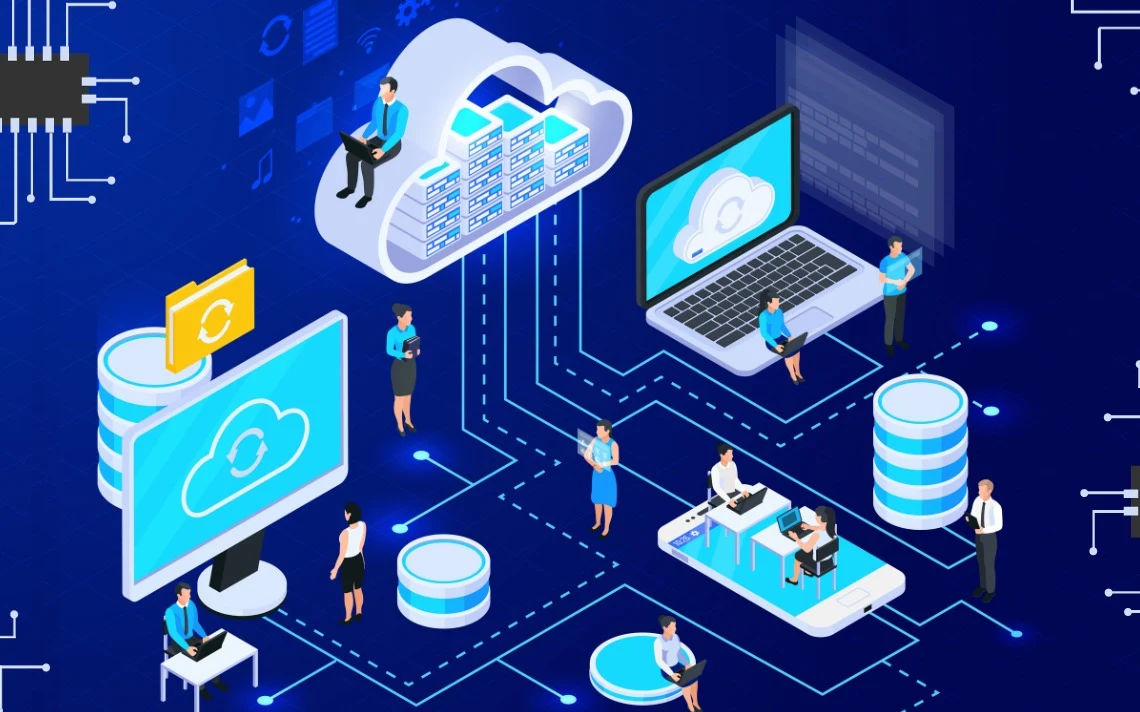
Choosing between Cloud ERP and On-Premise ERP is one of the most important decisions for businesses undergoing digital transformation. The right ERP system impacts efficiency, scalability, cost, security, and adaptability. This comparison of Cloud ERP and On-Premise ERP, will explain their advantages, challenges, and key considerations so you can make informed decision that best fits your organization’s needs and long-term goals.
ERP on Cloud – A Proven Choice
The domain of Cloud ERP systems has evolved into a hub of technological progress, presenting businesses with a verified and effective solution for overseeing their vital processes. The inherent agility and flexibility of Cloud ERP position it as a compelling option for organizations spanning diverse industries.
Key Benefits of Cloud ERP for Modern Businesses
1. Anytime, Anywhere Accessibility
One of the biggest advantages of Cloud ERP is its unmatched accessibility. With cloud technology, businesses can access their ERP system anytime, from anywhere, using any device. This flexibility fosters a collaborative and responsive work environment, allowing globally distributed teams to work seamlessly without geographical barriers.
2. Effortless Scalability
Cloud Based ERP solution are designed to scale with your business needs. As companies grow, their ERP requirements evolve—more users, larger data loads, and advanced functionalities. Cloud ERP makes this transition seamless without requiring heavy infrastructure investments. This scalability is especially beneficial for fast-growing businesses or industries with seasonal demand fluctuations.
3. Cost-Efficiency and Flexibility
Switching from traditional on-premise ERP to a cloud-based, pay-as-you-go model helps organizations optimize their IT spending. Instead of large upfront costs, businesses only pay for the services they use. This makes Cloud ERP a cost-effective solution, especially for SMBs (small and medium-sized businesses) looking to stay competitive while keeping budgets under control.
4. Future-Ready Enterprise Management
Cloud ERP is not just a passing trend—it’s a proven, future-ready solution that delivers measurable business value. By offering flexibility, scalability, and cost savings, Cloud ERP empowers organizations to streamline operations and embrace digital transformation with confidence.
ERP on Premise – The Alternate Approach
Before cloud technology reshaed the market, On-Premise ERP systems were the standard for enterprise resource management. They played a central role in digital transformation, acting as the foundation of organizational data and business processes.
From the late 20th century through the early 2000s, these solutions enjoyed unmatched dominance. Businesses poured significant investments into dedicated servers, hardware, and in-house IT teams to keep their ERP systems running. For many, this setup delivered a strong sense of security and control, since companies managed their own data directly within their facilities.
Key Benefits of On-Premise ERP
1. Full Control Over Data and Systems
On-Premise ERP gives businesses direct ownership of their servers, databases, and applications, ensuring complete control over how systems are managed, customized, and secured.
2. Enhanced Data Security for Sensitive Industries
For sectors like healthcare, finance, and government, where compliance and privacy are critical, On-Premise ERP allows companies to implement tailored security measures that align with strict regulatory standards.
3. High Customization Flexibility
On-Premise solutions are highly customizable to fit unique business processes, workflows, and integrations. Companies aren’t limited by vendor restrictions and can adapt the system as needed.
4. Reliable Performance Without Internet Dependency
Since the ERP runs on local servers, businesses can operate without depending on internet connectivity. This makes On-Premise ERP ideal for remote sites, manufacturing plants, or regions with unstable networks.
Cloud ERP vs On Premise ERP Key Considerations for Businesses
When standing at the crossroads of ERP decision-making, businesses must carefully weigh a myriad of factors, each playing a pivotal role in shaping the future trajectory of their operations. Navigating this intricate landscape requires a nuanced understanding of the following critical considerations:
- Data Security: In an era marked by escalating cyber threats, safeguarding sensitive information is paramount. Organizations operating in industries like finance or healthcare, where data breaches can have severe consequences, prioritize On-Premise ERP for its localized control and customizable security measures.
- Flexibility: The ability to adapt swiftly to evolving business needs is fundamental for long-term success. Cloud ERP shines in industries with dynamic growth, allowing organizations to scale resources effortlessly.
- Cost Considerations: Balancing the books is essential for sustainable growth, making cost-efficiency a critical factor. Small to medium-sized enterprises often find the pay-as-you-go model of Cloud ERP appealing, eliminating the need for substantial upfront investments.
- Scalability: The ability to grow without hindrance ensures that ERP systems align with the organization’s expansion. On-Premise ERP can pose challenges for rapidly growing businesses, while Cloud ERP’s scalability accommodates increasing data loads seamlessly.
- Customization: Tailoring ERP systems to specific business processes enhances operational efficiency. On-Premise ERP is favored when intricate customization is crucial, addressing unique industry requirements.
As businesses embark on the ERP journey, these considerations serve as the compass, guiding organizations towards solutions that not only meet their current needs but also position them for sustainable growth and resilience in the face of evolving industry landscapes.
The Shifting ERP Landscape
In the dynamic realm of Enterprise Resource Planning (ERP), the seismic shift brought about by the advent of cloud technology has not merely been a technological evolution; it has fundamentally reshaped the roles, responsibilities, and financial structures underpinning ERP implementation.
The rise of cloud technology has democratized access to advanced ERP capabilities, dismantling traditional barriers and ushering in an era of unprecedented accessibility. ERP systems, once confined to on-premise infrastructures, have now transcended physical boundaries, providing organizations with the agility needed to thrive in an ever-changing business landscape. This evolution is marked by:
- Enhanced Collaboration: Cloud ERP fosters seamless collaboration by providing real-time data access to stakeholders across the organization. This shift has dismantled silos, enabling departments to work cohesively and make data-driven decisions collectively.
- Remote Accessibility: With the Cloud ERP solution are no longer tethered to office servers. Remote access has become a norm, empowering teams to work from any location, fostering flexibility in work arrangements.
As the ERP landscape undergoes this transformation, traditional job roles within IT teams, consulting firms, and vendor organizations are being redefined:
- IT Teams: Cloud ERP has recalibrated the role of IT teams from infrastructure management to strategic enablers. Instead of dedicating resources to server maintenance, IT teams are now focusing on optimizing processes, ensuring data security, and leveraging cloud-native features.
- Consultants: ERP consultants are evolving into strategic advisors, guiding businesses on how to leverage cloud technology for maximum impact. Their expertise is not only technical but extends to aligning ERP solutions with overall business objectives.
- Vendors: Cloud ERP has redefined the vendor-client relationship. Vendors are no longer just providers of software; they are partners in innovation. Continuous updates, maintenance, and support are inherent in the subscription-based model, fostering long-term collaboration.
The traditional upfront capital expenditure (CapEx) model, synonymous with on-premise ERP solutions, is making way for the subscription-based operational expenditure (OpEx) model associated with cloud solutions:
- Financial Flexibility: The OpEx model allows businesses to allocate costs more flexibly, paying for services as they use them. This shift eliminates the need for large initial investments, democratizing access to advanced ERP solutions.
- Continuous Innovation: Subscription-based pricing ensures that businesses are continually benefiting from the latest features and updates. This approach aligns ERP solutions with the pace of technological evolution, providing organizations with a competitive edge.
As the ERP landscape continues its metamorphosis under the influence of cloud technology, organizations, IT professionals, consultants, and vendors must not only embrace technological change but also adapt their roles and financial strategies to thrive in this dynamic new era.
Case Studies and Success Stories
- Successful Transitions to Cloud ERP: In the retail sector, Amazon, grappling with scalability and operational inefficiencies due to outdated systems, made a strategic move towards Cloud ERP. The transformation streamlined their operations, providing real-time insights across the organization. As a result, Amazon witnessed a remarkable 30% increase in overall efficiency and successfully expanded into new markets, showcasing the power of Cloud ERP in fostering growth and agility.Similarly, Tesla, facing prolonged product development cycles, recognized the need for innovation. By embracing Cloud ERP, they introduced real-time collaboration and streamlined processes. This shift resulted in a 40% reduction in time-to-market and a significant 25% boost in product innovation, illustrating how Cloud ERP can revolutionize production processes and drive innovation.
- Thriving On-Premise Solutions: In the public sector, NASA, dealing with strict compliance requirements, opted for On-Premise ERP to address their unique regulatory challenges. The decision allowed for highly tailored solutions, enabling NASA to maintain a decade of regulatory excellence with zero penalties. This case highlights the resilience and adaptability of On-Premise ERP in meeting specific industry compliance standards. Similarly, Mayo Clinic, prioritizing data security and compliance in a highly regulated industry, continued with On-Premise ERP. Their commitment to maintaining complete control over sensitive patient information resulted in an impeccable record of zero data breaches. This case emphasizes how On-Premise ERP can provide a secure and compliant environment for industries dealing with sensitive information.
Oracle’s De-Support Date
The looming de-support date set by Oracle for their on-premise ERP systems, scheduled for as early as 2035, casts a significant shadow over businesses still reliant on these legacy solutions. The implications of this impending deadline are multifaceted and demand proactive measures from organizations:
Implications:
- Security Risks: With the cessation of Oracle’s support, businesses face heightened security risks. Without regular updates and patches, vulnerabilities may go unaddressed, leaving systems exposed to potential cyber threats.
- Compliance Challenges: Industries with strict regulatory frameworks may find themselves in non-compliance post said de-support, risking penalties and reputational damage.
- Stagnation of Technology: As the broader technological landscape evolves, on-premise systems will become increasingly outdated. This stagnation could hinder business agility, innovation, and competitiveness.
Preparing for the Transition: To navigate this challenging transition, businesses should adopt a proactive stance:
- Conduct a Comprehensive Assessment: Evaluate the current state of your on-premise ERP system, identifying dependencies, critical functionalities, and potential areas of risk.
- Explore Migration Options: Consider migrating to a Cloud ERP solution. Evaluate providers, ensuring they align with your business needs and offer robust support and security features.
- Develop a Transition Roadmap: Create a detailed plan outlining the steps involved in the migration process. Establish timelines, allocate resources, and communicate transparently with stakeholders.
- Data Migration and Training: Execute a meticulous data migration strategy to ensure a seamless transition. Additionally, invest in comprehensive training programs for employees to adapt to the new system effectively.
- Engage with Experts: Collaborate with ERP consultants who specialize in migrations. Their expertise can prove invaluable in navigating complexities and ensuring a successful transition.
As the ERP landscape undergoes unprecedented transformations, businesses must remain vigilant, recognizing that one size does not fit all in the realm of ERP solutions. Tailoring choices to the unique needs of each business is not just a recommendation but a strategic imperative for sustained
In this era of technological dynamism, the choices we make today shape the possibilities of tomorrow. How will your ERP choice propel your business towards innovation and resilience in the face of an ever-evolving digital landscape?